
Our verdict
A strong all-round choice for followers who want deep liquidity, both futures and spot copying, and clear sizing options. Profit share and availability need checking, and the size of the leaderboard makes careful trader selection essential.
Scores reflect our editorial assessment of the copy trading product for followers (risk controls, transparency, product range, cost clarity, ease of use), based on public information. They are opinions, not ratings by users.
Key facts
- Copy types
- USDⓈ-M futures copy trading; spot copy trading
- Portfolio types
- Public lead portfolios and private (invite-only) portfolios
- Sizing modes
- Fixed amount and fixed ratio
- Follower controls
- Take-profit / stop-loss settings, leverage and margin settings, copy amount; stop copying at any time
- Trader payout
- Profit share set per portfolio within Binance limits — current cap not independently confirmed; check the portfolio page
- Statistics shown
- ROI, PnL, maximum drawdown, win rate, AUM, copier count, position history
- Availability
- Not for US residents (Binance.US is separate); other regional restrictions apply
What we like
- Deep liquidity on major pairs means copied orders fill close to the trader's price
- Both futures and spot copy trading
- Clear choice between fixed amount and fixed ratio
- Rich statistics and position history for lead portfolios
- Private portfolios for traders with their own communities
What to watch
- Huge leaderboard makes it easy to pick on ROI alone
- Profit share rules have changed over time; verify before copying
- Not available in several jurisdictions
- Futures copying exposes followers to leverage and liquidation
How Binance copy trading works
Binance organises copy trading around lead portfolios. A lead trader creates a portfolio, funds it and trades from it; followers copy that portfolio from their own copy trading account. When the lead trader opens, adjusts or closes positions, Binance mirrors the action for every follower according to each follower's settings.
There are two main products. Futures copy trading mirrors positions on USDⓈ-margined perpetual contracts, so you can copy longs and shorts with leverage. Spot copy trading mirrors buying and selling of coins without leverage — a gentler way in for beginners. Both live under the copy trading section of the Binance app and website.
Fixed amount vs fixed ratio
You decide how much margin each copied position uses. Every trade is the same size regardless of how big the lead trader's position is. Easier to control, especially at the start.
Your position size mirrors the lead trader's, scaled by the ratio of your copy funds to their portfolio funds. Closer to "doing exactly what they do", including their sizing decisions.
Fixed ratio is more faithful to the strategy, but it also copies the trader's aggressiveness. If you are unsure, start with fixed amount and a modest margin per trade. Our copy trading explainer discusses both modes in more depth.
Setting up a copy on Binance
- Open Copy TradingFrom the Binance app or website, open the copy trading section and choose futures or spot.
- Filter the leaderboardUse the filters and sort options rather than the default ranking. Look for longer histories and moderate drawdown.
- Inspect the portfolioCheck ROI over several periods, maximum drawdown, current positions, position history, AUM and the profit share percentage.
- Choose sizing and limitsPick fixed amount or fixed ratio, set your copy amount and configure take-profit and stop-loss.
- Confirm and monitorFunds move to your copy trading account. Watch the first few copied positions to confirm sizing.
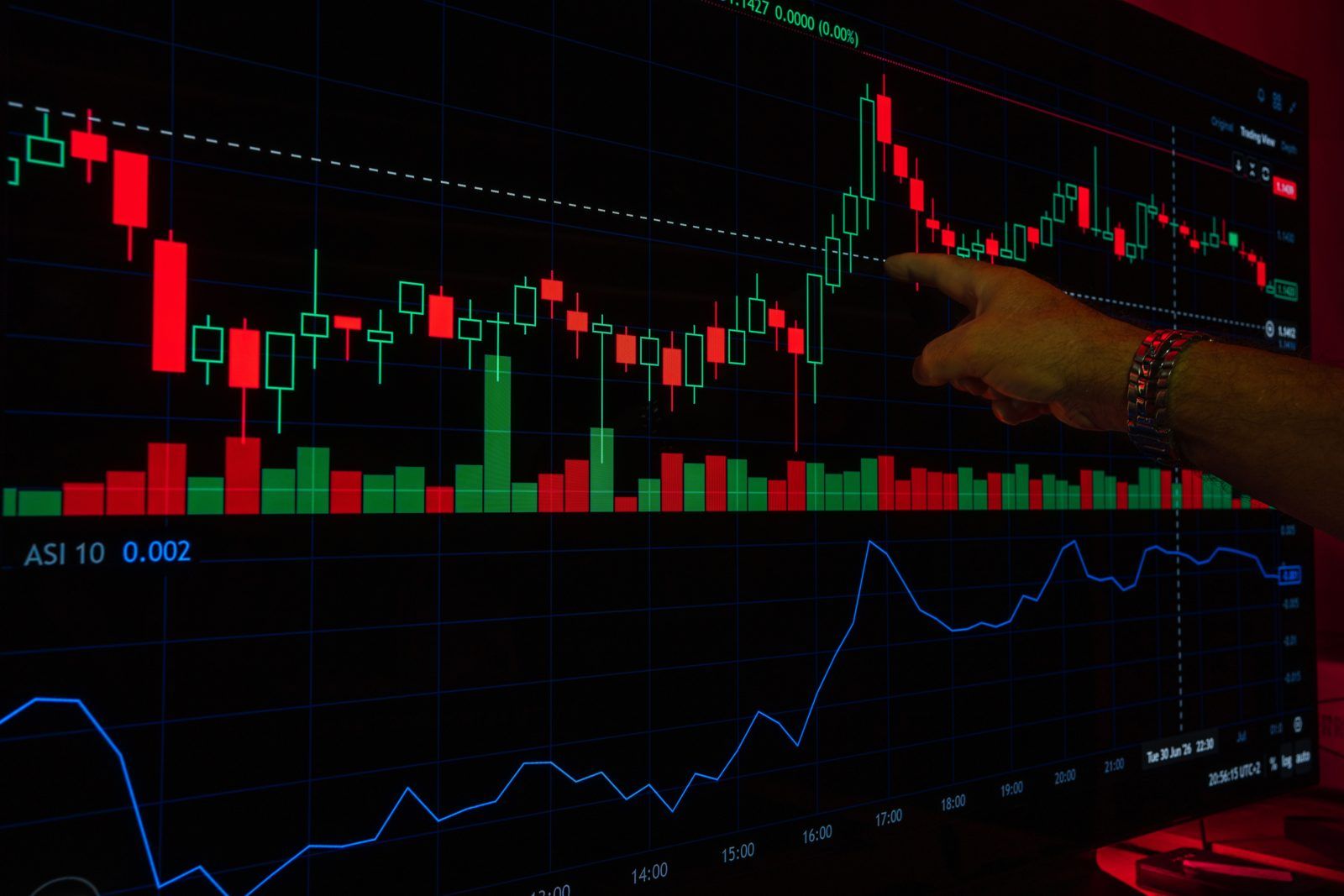
Reading a Binance lead portfolio
Binance shows a lot of data on each portfolio. The numbers that matter most to followers:
| Metric | What to check |
|---|---|
| ROI (several periods) | Is performance consistent across 7, 30 and 90 days, or driven by one spike? |
| MDD | Could you live through this drawdown with your own money? |
| AUM & copiers | Sudden inflows can change the trader's behaviour; is the portfolio full? |
| Position history | Leverage used, holding time, how losing trades are handled. |
| Profit share | The percentage you will pay on net profit. |
For a full method, read how to choose a copy trader.
Costs on Binance copy trading
You pay standard Binance trading fees on copied orders (and funding on perpetual futures positions), plus the lead trader's profit share on net profits. Binance applies a high-water-mark-style approach so you are not charged again for recovering losses; the exact settlement method is described in Binance's help centre. Because fee and profit share rules have been updated several times, we recommend checking the current figures on the portfolio page rather than relying on any third-party number — including ours. See profit sharing explained for the general mechanics.
Who Binance copy trading suits
- Followers who value liquidity: major pairs on Binance are among the most liquid in crypto, which helps copied orders fill well.
- Beginners who want spot copying: no leverage, no liquidation.
- Users who want choice: a very large pool of lead portfolios.
It suits less well if you are in a restricted jurisdiction, or if you are likely to be swayed by the top of a huge leaderboard rather than doing your own filtering.
Binance vs other exchanges
Compared with Bybit, Binance offers spot copying in addition to derivatives. Compared with Bitget, it has a similarly large ecosystem but a different set of tools around bots. OKX is the closest like-for-like competitor on liquidity and product range. All of them are compared on our best platforms page.
Want to see how fixed sizing, leverage caps and stop-copy limits change results before you copy on Binance? Try the same settings in our copy trading simulator.
Mistakes Binance copiers often make
- Choosing by 7-day ROI. Switch the leaderboard to longer periods and add a drawdown filter.
- Ignoring portfolio capacity. Popular portfolios may limit the number of copiers or have very large AUM; joining late can mean joining after the best period.
- Using fixed ratio with an aggressive trader. You inherit every sizing decision, good or bad.
- Forgetting funding on long-held futures positions.
Security reminders
Enable app-based two-factor authentication, set an anti-phishing code, use a withdrawal whitelist and review active devices regularly. Binance and its lead traders will not ask you to transfer funds to a personal wallet or share login details to "join" a portfolio. Private portfolios are joined with an invitation code inside the Binance app — nothing else.
Copy trading features, profit share rules, minimums and regional availability change frequently. We summarise public information; always confirm the current terms on Binance's official website and read its risk disclosures. Leveraged trading carries a high risk of loss.
Frequently asked questions
Does Binance have copy trading?
Yes. Binance offers copy trading for USDⓈ-M futures and for spot, where you copy lead traders' portfolios from a dedicated copy trading account.
What is the difference between fixed amount and fixed ratio on Binance?
Fixed amount uses a set amount of margin for every copied position. Fixed ratio mirrors the lead trader's position size in proportion to your copy funds versus their portfolio funds.
How much do Binance lead traders take?
Lead traders receive a profit share shown on each lead portfolio. Binance sets the allowed range and has changed it over time, so check the current percentage on the portfolio before copying.
Is Binance copy trading available in the US?
No. Binance.com does not serve US residents. Binance.US is a separate company with its own, more limited product set.
What are private portfolios on Binance copy trading?
Lead traders can run private portfolios that are only accessible to followers with an invitation code, alongside public portfolios anyone can copy.
Can I copy trade on Binance with a small amount?
Binance sets minimum copy amounts for its products, and lead portfolios may also have their own minimums. Small amounts are fine for learning, but remember that very small fixed amounts per trade can be skipped if they fall below minimum order sizes. Check the minimum on the portfolio page before copying.